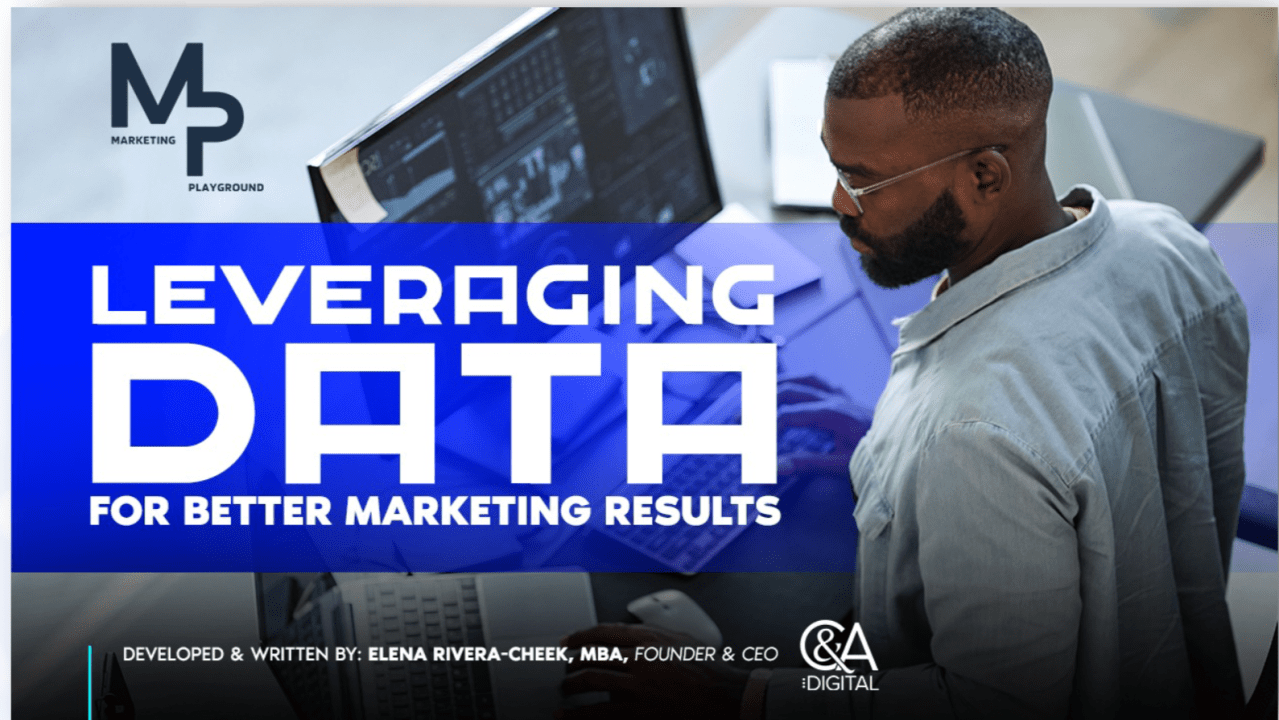
Welcome back to the Marketing Playground! This month we’ll be diving into the importance of analytics in developing and refining marketing strategies. From website analytics to social media insights and the impact of infographics, understanding data is crucial in today’s digital world.
Website Analytics Help Make Smarter Marketing Decisions
Your organization’s website should be focused on helping you reach your overall marketing goals, i.e., brand awareness, lead generation and customer engagement. Ideally websites should be refreshed every six months, so if it’s not working now (and hasn’t been updated in a while) that’s OK. You can refresh the site based on the data gathered by high-tech analytic tools that provide valuable insights into user behavior.
By tracking which page users engage with, how long they stay, and where they come from, marketers can gain a deeper understanding of their audience’s interest. In addition, website analytics can also help uncover additional data like the user experience, conversion rates and provide a foundation for your SEO strategy.
Understanding how your visitors find and interact with your website helps improve SEO strategies, ensuring content aligns with search trends and audience needs. The results? Higher rankings, increased engagement and better business outcomes.
Some commonly used tools include:
- Google Analytics: A free and widely used web analytics platform that provides in-depth reports on website traffic, user behavior and conversion metrics. Overall, it helps businesses optimize their websites and marketing based on real time user interaction.
- Microsoft Clarity: A free tool that provides insights into how visitors scroll, click and navigate through a website while respecting the privacy guidelines.
- Google Search Console: A crucial tool for search engine optimization (SEO) that helps website owners monitor and improve their search presence. It provides data on which search queries bring users to their site.
Did you know that businesses that leverage analytics effectively see a 126% higher lead conversion rate compared to those that don’t.
HubSpot, 2023
The Role of Social Media Analytics
It’s important to keep track of how your social media posts are landing with your target market. Social media analytics can provide critical insights into audience behavior, campaign performance, and content effectiveness. Businesses can track key metrics such as reach, impressions, engagement rates, and conversions to measure success.
Key benefits of social media analytics include:
- Tailored Messaging: Identify your target market’s characteristics and create content that resonates with them.
- Content Optimization: Discover which posts resonate with your audience and refine content accordingly.
- Competitor Analysis: Benchmark against competitors to uncover opportunities for differentiation.
- Crisis Management: Monitor brand sentiment and swiftly address potential PR issues.
While 91% of executives believe social media directly influences brand revenue, only 50% use analytics to drive social marketing decisions.
(Sprout Social, 2023)
Visual Storytelling with Infographics
In my view, marketing analytics and infographics go hand in hand. Infographics simplify and present the data from analytics in a visual format – which makes the data more usable to the audience. We can have great data but if you don’t understand what you are reading, the data are useless. Infographics transform complex data into engaging, digestible content. Our team at C&A Digital develops complex communications for industries like pharma and healthcare, creating impactful infographics that help our clients tell their stories.
People retain 65% of their information if the content is paired with a relevant image.
(demandsage, 2025)
Key characteristics of effective infographics include:
« Relevance to the audience
« Visually appealing design aligned with brand guidelines and allows audience to connect more effectively
« Ability to simplify complex data into an easy-to-understand format
Balancing Data with Creativity
While analytics provide valuable insights, creativity is what truly makes marketing memorable. Data can guide strategy, but it’s storytelling and originality that capture attention and inspire action.
Great campaigns aren’t just optimized, they’re imaginative, engaging and bold. By blending data with creative thinking, businesses can craft marketing strategies that perform well and leaves a lasting impact.
Got a question or thought on data for me? Get in touch! Until next time, thanks for coming out to play.